
Key dates, supply chain risks, and strategic decisions to avoid delays and extra costs
Every year it happens: operations move forward normally… until the global calendar hits pause. Chinese New Year 2026 is not just a cultural celebration — it is one of the most disruptive events for international logistics, freight capacity, and global supply chains. In 2026, the official holiday falls on February 17, with celebrations expected from February 15 to 23. However, the real logistics impact can extend three to five weeks. If you import or export from Asia, this is not optional knowledge. It’s strategic planning.
Why Chinese New Year affects global trade
During this period:
• Factories reduce or stop production.
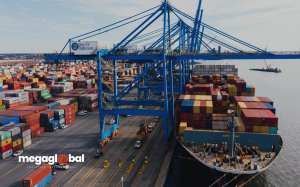
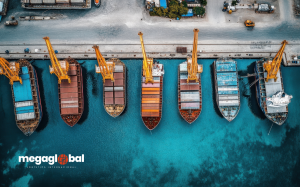
• Ports operate at limited capacity.
• Suppliers prioritize confirmed orders.
• Operations resume gradually.
You can consult global trade references such as the World Trade Organization for broader trade context. The mistake many companies make is assuming the disruption lasts only one week. In reality, shipping congestion and backlog extend far beyond the holiday itself.
Strategic calendar for Chinese New Year 2026
• Production slowdown: February 10–14
• Official holiday: February 17
• Peak logistics disruption: February 16–27
• Estimated normalization: From March 9 onward
Even though the official break lasts about a week, logistics disruption can extend up to five weeks.
The real impact: cost and capacity pressure
Before the holiday:
• Freight rates often increase.
• Space availability tightens.
• Production deadlines accelerate.
After the holiday:
• Shipment backlog builds.
• Delays compound.
• Inventory gaps appear.
For deeper insights, explore more content on international logistics planning.
Strategic decisions to make early
1️⃣ Confirm production schedules with suppliers.
2️⃣ Secure freight space well in advance.
3️⃣ Review inventory coverage.
4️⃣ Evaluate alternative shipping modes.
5️⃣ Align internal expectations on cost and timelines.
Planning doesn’t eliminate disruption. It minimizes exposure.
Chinese New Year 2026 is not just a holiday — it’s a global supply chain variable. Companies that anticipate it manage smoothly. Companies that ignore it react under pressure. In international trade, timing is strategy.
Want to stay ahead of global logistics disruptions?
Explore more insights on supply chain strategy and international trade planning to strengthen your competitive edge.
#ChineseNewYear2026 #InternationalLogistics #GlobalTrade #SupplyChain #ImportExport #FreightPlanning